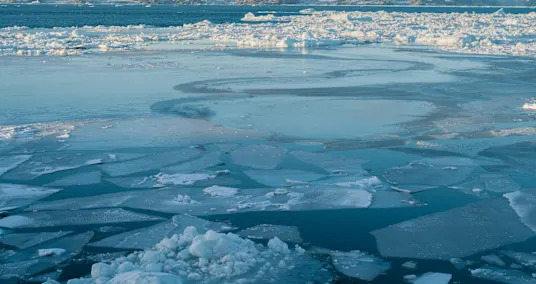

The interruption of oil and gas supplied through the Strait of Hormuz due to the US-Israel war with Iran has dramatically pushed up global energy prices.
Petrol has gone up already and UK domestic heating bills are almost certain to follow.
But it's not just fuel that's been impacted by the conflict. A host of other vitally important chemicals, gases and other products normally enter international supply chains via the Hormuz Strait.
BBC Verify has found that the price of a host of goods - ranging from food, to smartphones, to medicines - could be affected, as the number of ships passing through the Hormuz Strait has dropped from well over 100 a day before the war to just a handful.
Here is what could be impacted.
Fertilisers (Food)
Petrochemicals are derived from oil and gas and they are produced in great quantities for export by countries in the Gulf region.
And one of the most important is fertiliser, vital for global agricultural production.
According to the United Nations, around a third of the world's fertilisers - such as urea, potash, ammonia and phosphates - normally pass through the Hormuz Strait.

Data from the World Trade Organization shows that, since the conflict began, outbound shipments of fertiliser-related products through the waterway have collapsed.
Analysts have warned that a shortage of these ferilisers is likely to be particularly damaging to agricultural production now because March and April are the northern hemisphere's planting season and less fertiliser use now by farmers will impact yields for later in the year.
"A relatively brief closure could disrupt an entire growing season, with food security consequences that persist long after the strait reopens," according to researchers at the Kiel Institute.
-
Nearly 100 ships pass the Hormuz Strait - who is getting through?
-
How risky would it be to escort ships through the Strait of Hormuz?
-
In maps: Attacks across Iran and the Middle East enter third week
The Institute's work suggests a full closure of the Strait of Hormuz could push up global wheat prices by 4.2% and fruit and vegetable prices by 5.2%.
And it estimates that the most badly affected countries in terms of the overall increase in food prices would be Zambia (31%), Sri Lanka (15%), Taiwan (12%) and Pakistan (11%).
Russia normally supplies around a fifth of global fertiliser exports and analysts say it could potentially increase production to fill the gap.
Vladimir Putin's special envoy, Kirill Dmitriev, has said that Russia, a major producer of commodities like fertiliser, is "well positioned".
NEUESTE BEITRÄGE
- 1
 The teen queen bee of 'Laguna Beach' is now a 'cringey' mom06.04.2026
 - 2Washington resident is infected with a different type of bird flu14.11.2025
- 3When a sperm whale gives birth, the mother gets help from her friends26.03.2026
- 4Luigi Mangione‘s lawyers say Bondi’s death penalty decision was tainted by conflict of interest19.12.2025
- 5Shooting of MIT professor Nuno Loureiro has police searching for a suspect17.12.2025




Ähnliche Artikel
- Arctic sea ice hits lowest winter level as heat records are shattered worldwide27.03.2026
- Instructions to Distinguish the Wellbeing Dangers Related with 5G Pinnacles17.10.2023
- Yemen's Houthis ready to join Iran war if needed, raising new shipping risk27.03.2026
- Landslides triggered by heavy rainfall kill at least 20 people in Tanzania27.03.2026
- Vote In favor of Your Favored Kind Of Tea05.06.2024
- Over 1,800 killed since junta seized power in Burkina Faso, rights group says02.04.2026
- FACT FOCUS: Trump sows confusion on number of childhood vaccinations06.01.2026
- Former United Launch Alliance CEO Tory Bruno joins competitor Blue Origin for national security projects31.12.2025
- Lightning on Jupiter could be up to 1 million times stronger than on Earth26.03.2026
- 4 African Vacationer Locations05.06.2024