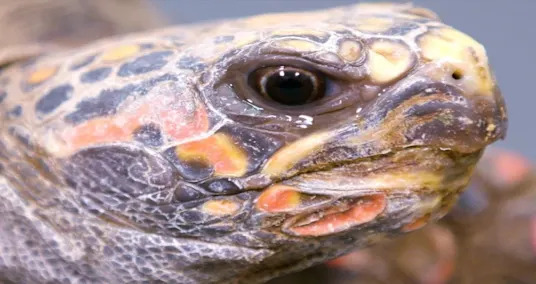
The radiated tortoise is one of the most striking reptiles on Earth, yet it is now facing a serious threat to its survival. Found only in the dry southern forests of Madagascar, this species has experienced a dramatic population decline over the past decade. Experts estimate that its numbers have dropped by nearly half, raising urgent concerns among conservationists. Known for its beautiful shell with bright yellow star patterns, the radiated tortoise is both visually unique and biologically remarkable. Its domed shell is not just protective but also sensitive, containing nerves and blood vessels that allow it to feel touch. These tortoises are also known for their exceptional longevity, with some individuals living well beyond a century. One recorded tortoise even reached an estimated age of 188 years, highlighting the species' long life cycle and slow reproduction rate. However, these same traits also make recovery from population loss extremely difficult, increasing the risk of extinction if current trends continue.
The primary drivers behind the decline of the radiated tortoise are human activities, particularly hunting and illegal trade. In parts of Madagascar, the tortoise is hunted for its meat, which is considered a delicacy despite legal protections. At the same time, its beautifully patterned shell has made it highly desirable in the illegal pet market. Conservation groups estimate that hundreds of thousands of these tortoises are removed from the wild each year, a rate that the population cannot sustain. The combination of poaching and trafficking has devastated natural populations and disrupted ecosystems where the species plays an important role. Without immediate intervention, experts warn that the radiated tortoise could face extinction within the next two decades. Conservation efforts are underway, focusing on habitat protection, stricter law enforcement, and raising awareness about the consequences of wildlife exploitation. The story of the radiated tortoise serves as a powerful reminder of how quickly human actions can threaten even the most resilient species. Protecting it will require global attention and long term commitment.
NEUESTE BEITRÄGE
- 1
 AfD faction in western Germany ousts councilman for firebrand speech01.12.2025
 - 2Solar storms have influenced our history – an environmental historian explains how they could also threaten our future03.01.2026
- 3Manual for Financial plan Agreeable PC01.01.1
- 4Whale stranded off Germany for days is stuck again28.03.2026
- 5Watch Atlas V rocket launch its heaviest-ever payload early on April 403.04.2026



Ähnliche Artikel
- Allow Innovative Progressions To have a Massive Effect06.06.2024
- KJ Apa stars as Jimmy Stewart in new biopic: See his transformation17.12.2025
- Vote In favor of Your Number one Cell phones01.01.1
- Lebanon’s Hezbollah and Yemen’s Houthis join Iran in strike on Israel06.04.2026
- Red Sea arena: Yemen’s Houthis open fourth front in Iran war, with global implications03.04.2026
- EU waters down plans to end new petrol and diesel car sales by 203516.12.2025
- Most loved Amusement Park Firecrackers Show: Which One Lights Up Your Evening?01.01.1
- German Cabinet advances bill to cut greenhouse emissions from fuels10.12.2025
- Russia downs 16 drones heading for Moscow, mayor says24.12.2025
- 6 Solid Vehicle Fix Administrations to Keep Your Vehicle in Prime Condition06.06.2024